


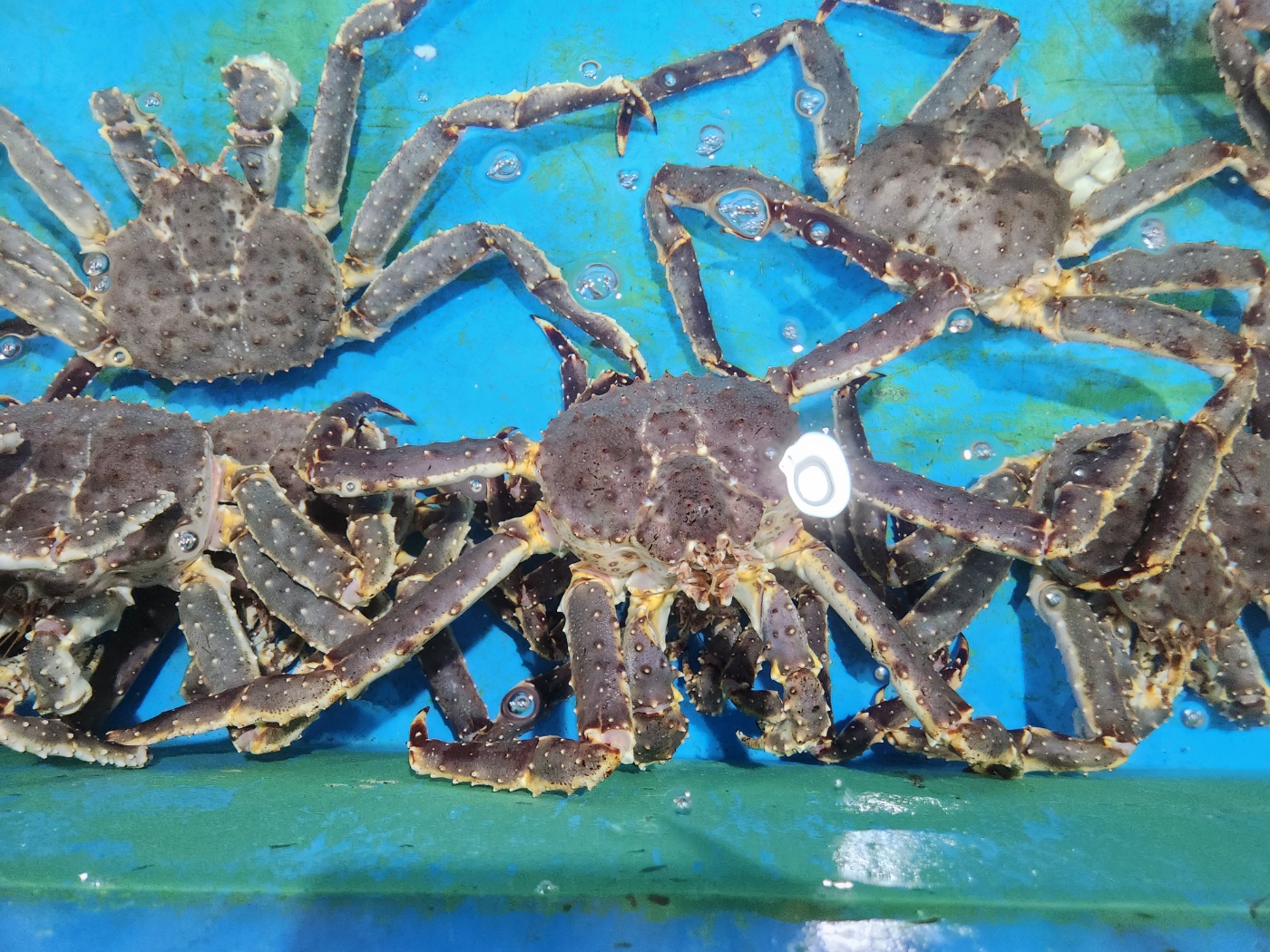
Russia King Crab
The red king crab is the largest species of king crab.
Negotiable Min Order Quantity Unit
- Required Quantity
-
- Place of Origin
- Russia
- Payment Terms
- Others
- Production method
- Available,OBM,ODM,OEM
- Shipping / Lead Time
- Negotiable / Negotiable
- Category
- Crab

MCA Company
- Membership
- VIP
- Recent Visit
- Jan 16, 2025
- Country / Year Established
-
 South Korea
/
2016
South Korea
/
2016
- Business type
- Distributor
Exhibition 1
GyeongGi Expo 2022- Verified Certificate
-
7


| Product name | Russia King Crab | Certification | - |
|---|---|---|---|
| Category | Crab | Material | - |
| Keyword | crab , king crab , russia , seafood | Unit Size | - |
| Brand name | - | Unit Weigh | - |
| origin | Russia | Stock | 10000 |
| Supply type | Available,OBM,ODM,OEM | HS code | - |
Product Information
The red king crab is the largest species of king crab. Red king crabs can reach a carapace width up to 28 cm (11 in), a leg span of 1.8 m (5.9 ft), and a weight of 12.7 kg (28 lb).Males grow larger than females. Today, red king crabs infrequently surpass 17 cm (7 in) in carapace width and the average male landed in the Bering Sea weighs 2.9 kg (6.4 lb).It was named after the color it turns when it is cooked rather than the color of a living animal, which tends to be more burgundy. The red king crab is native to the Bering Sea, North Pacific Ocean, around the Kamchatka Peninsula and neighboring Alaskan waters. It was introduced artificially by the Soviet Union into the Murmansk Fjord, Barents Sea, during the 1960s to provide a new, and valuable, catch in Europe. Red king crabs have been seen in water temperatures that range from −1.8 to 12.8 °C (28.8–55.0 °F), with typical being 3.2 to 5.5 °C (37.8–41.9 °F). Immatures prefer temperatures below 6 °C (43 °F). The depth at which it can live has much to do with what stage of its lifecycle it is in; newly hatched crab (zoea larvae) stay in the shallower waters where food and protection are plentiful. Usually, after the age of two, the crabs move down to depths of 20–50 m (66–164 ft) and take part in what is known as podding; hundreds of crabs come together in tight, highly concentrated groups. Adult crabs are found usually more than 200 metres (656 ft) down on the sand and muddy areas in the substrate. They migrate in the winter or early spring to shallower depths for mating, but most of their lives are spent in the deep waters where they feed.
The red king crab is the largest species of king crab.Red king crabs can reach a carapace width up to 28 cm (11 in), a leg span of 1.8 m (5.9 ft), and a weight of 12.7 kg (28 lb). Males grow larger than females. Today, red king crabs infrequently surpass 17 cm (7 in) in carapace width and the average male landed in the Bering Sea weighs 2.9 kg (6.4 lb). It was named after the color it turns when it is cooked rather than the color of a living animal, which tends to be more burgundy.
B2B Trade
| Price (FOB) | Negotiable | transportation | Ocean Shipping |
|---|---|---|---|
| MOQ | Negotiable | Leadtime | Negotiable |
| Payment Options | Others | Shipping time | Negotiable |
MCA Company
- Country / Year Established
-
South Korea
/
2016
- Membership
- VIP
- Recent Visit
- Jan 16, 2025
- Business type
- Distributor
Exhibition 1
GyeongGi Expo 2022-
7
- President
- Jin Hee Kim
- Address
- 805/806, JangBaek-ro 194, Ilsandong-gu, Goyang-si, Gyeonggi-do, Korea
- Product Category
- Baby Supplies & Products,Face Cream & Lotion,Shampoo,Shower Gel,Soup & Stock Pots
- Year Established
- 2016
- No. of Total Employees
- 1-50
- Company introduction
-
<p>
MCA Company is specialized to export her own hair body care brand MCA brand items and also she is exporting company which can provide you Korean famous cosmetic brand products with good supplying price.
MCA Co., Ltd. is exporting baby products(baby silicone bottles and others) and baby food dishes and Bio Pee Plastic(Sugar Cane Plastic) products, as well.
MCA Co., Ltd. is also whole seller in Korea and MCA Co., Ltd. is supplying to Korean exporters a lot of Korean famous cosmetic brand products and famous hair care, body care products, as well.
MCA Co., Ltd. is exporting and Supplying to Korean exporters are as below.
- Amore Pacific Brands and LG Brands cosmetic products
: SulWahSoo, IOPE, Laneige, Innisfree, HERA, WHOO, SUM:37 etc
- MEDIHEAL, LEADERS, TONYMOLY / Nature Republic, The Faceshop , Etude House, MISSHA, SKIN FOOD, JAYJUN mask etc
MCA Company Limited exports Korean brand cosmetic products which are not well know but have very good quality with contract.
MCA Company Limited also supply very famous hair care, body care brand productsb to in China mainland, HongKong, East Western Asia markets, nowadays.
- Amore Pacific Ryo shampoo and Rinse
- Amore Pacific Miseenscene Damage Care Perfect Serum 70ml
- LG YunGo The First Cleansing Treatment, YunGo Ampoule
MCA Co.Ltd. has a sister company which is specialized in OEM & ODM manufacturing. MCA Co., Ltd. can develop and produce OEM & ODM products for overseas clients.
MCA is operating B2B website, www.mcamall.co.kr fro clients’ reference.
If clients visit to this website, clients can see most of products MCA Company deal with.
MCA Company Limited has open minded and are always ready to serve our clients.
- Main Markets
-
 Australia
 China
China
 France
 Germany
 Hong Kong(China)
 Italy
Italy
 Spain
Spain
 Taiwan
 U.S.A
U.S.A
- Main Product

Related Products
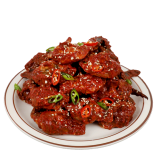
Ccabac Yeonpyeong Island crabs spicy sauce marinated crabs

Live Mud Crab
Dried fish maw
Datina Fish Maw
frozen half cut crabs


